Imam Hossein Square
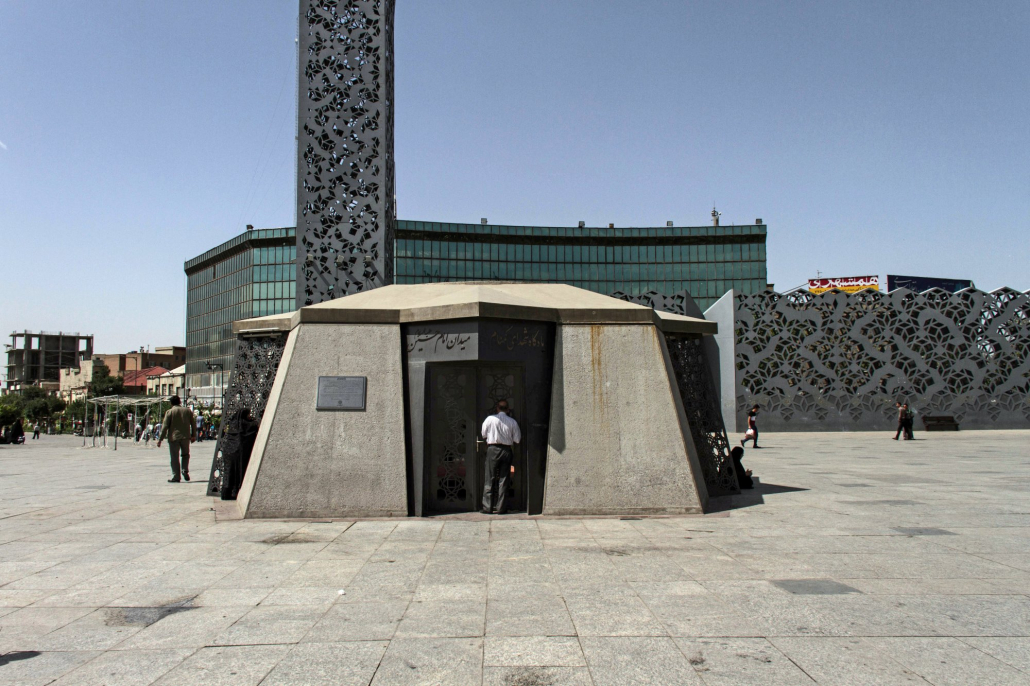
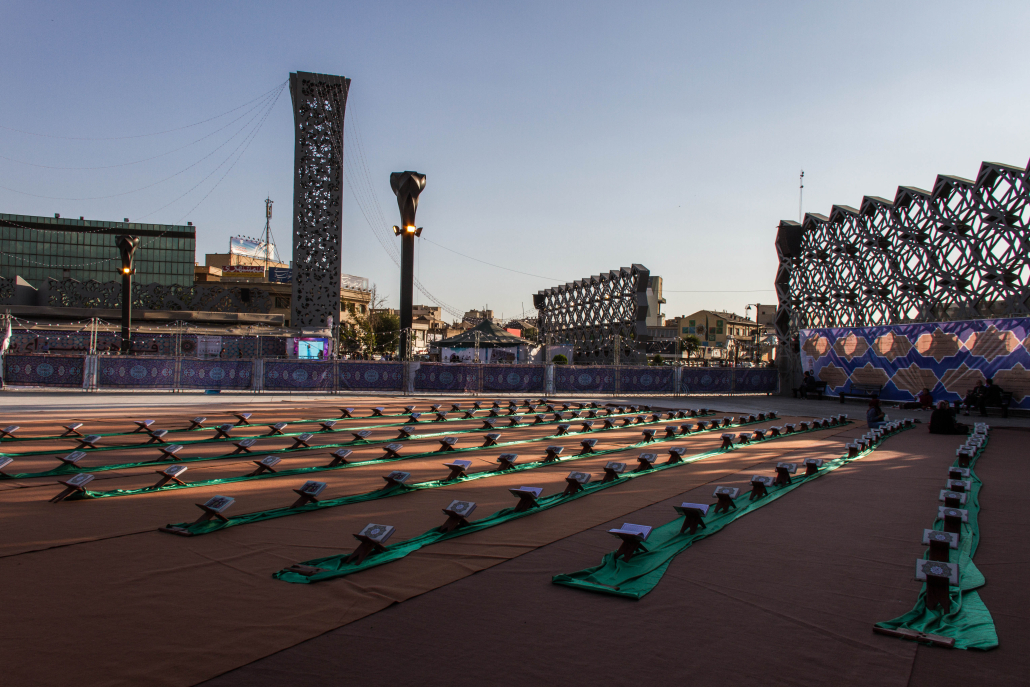
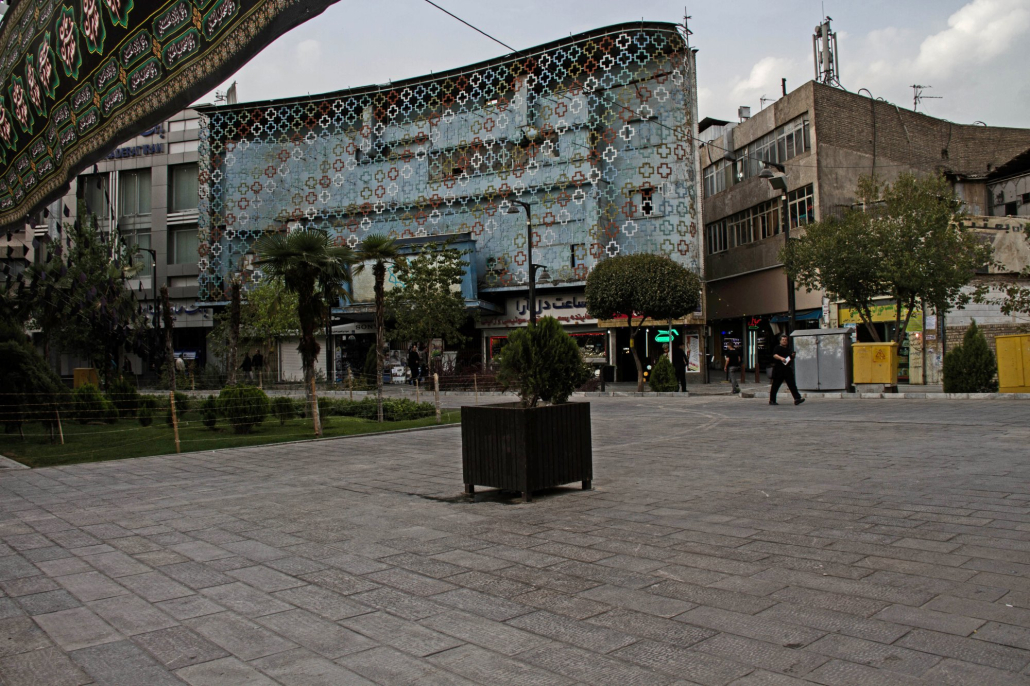
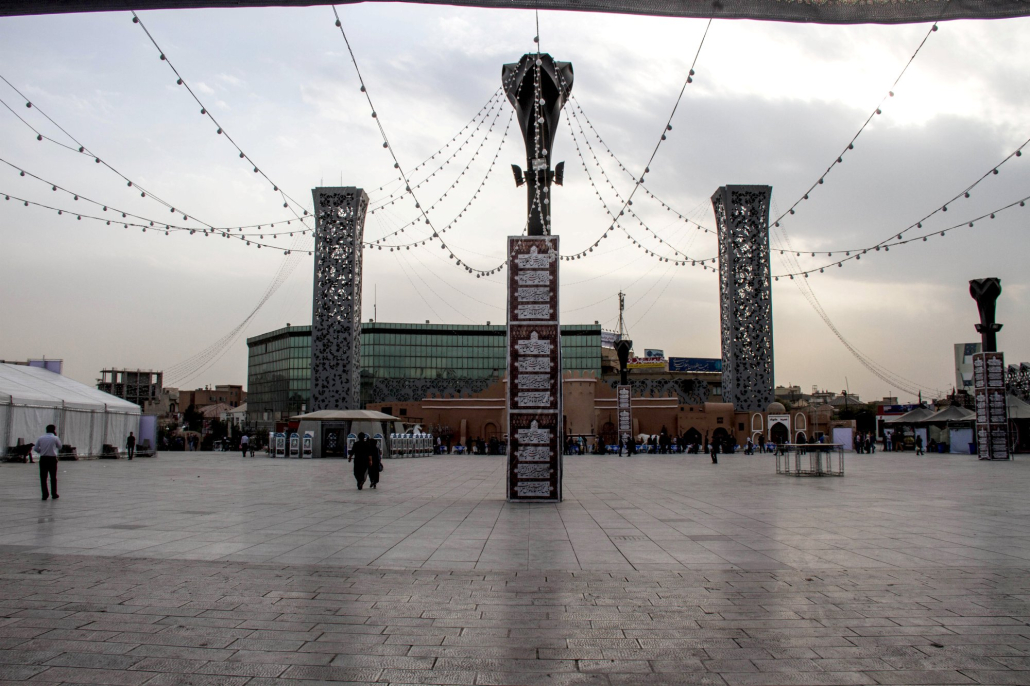
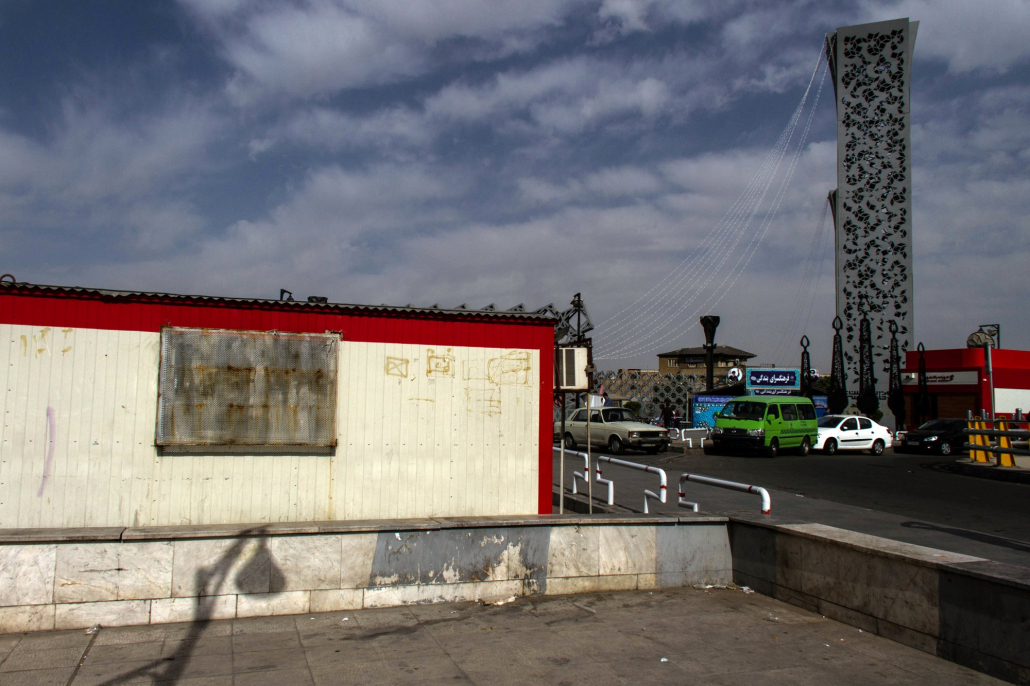
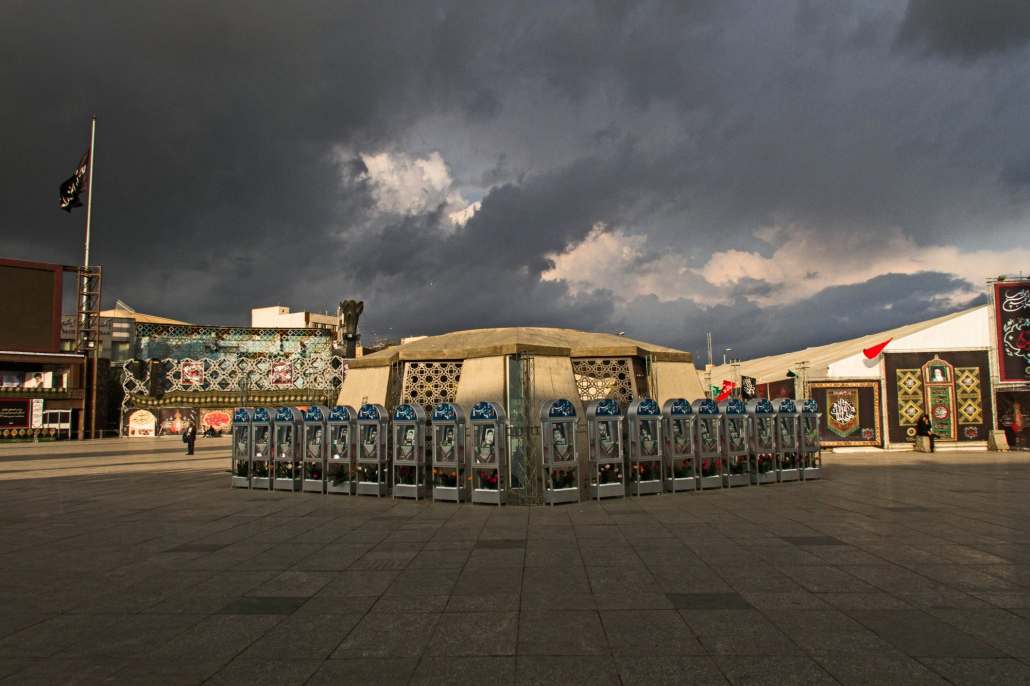
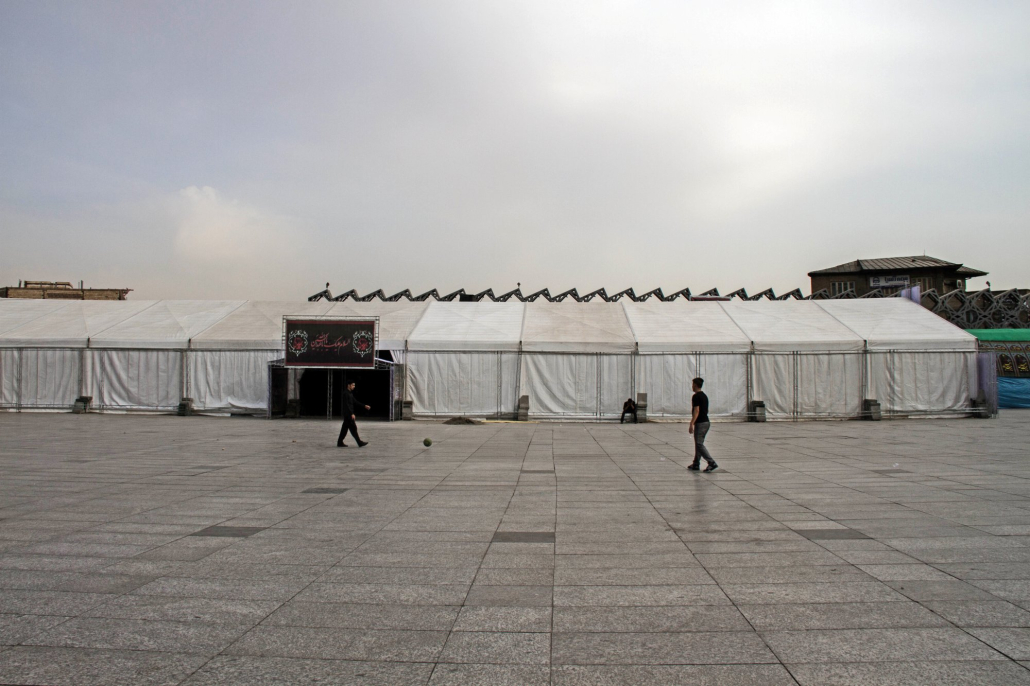
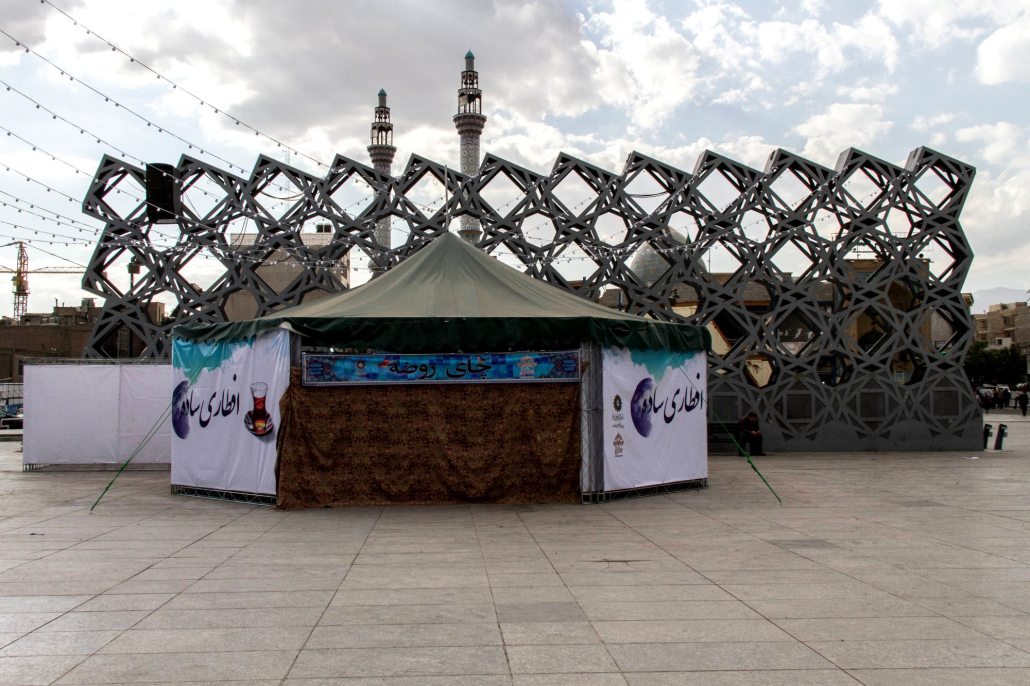
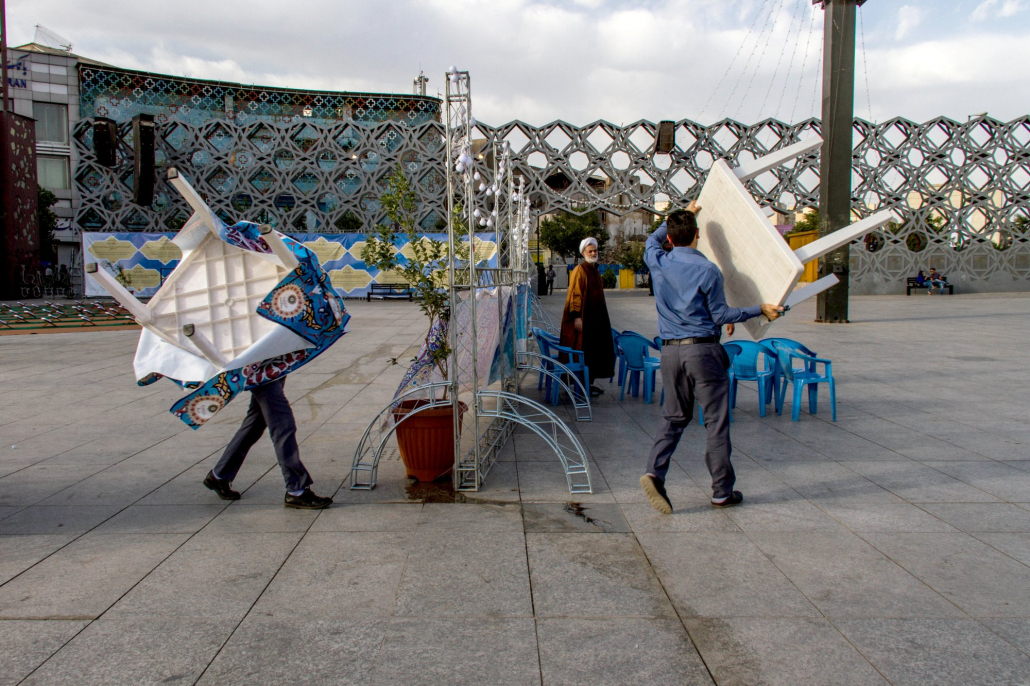
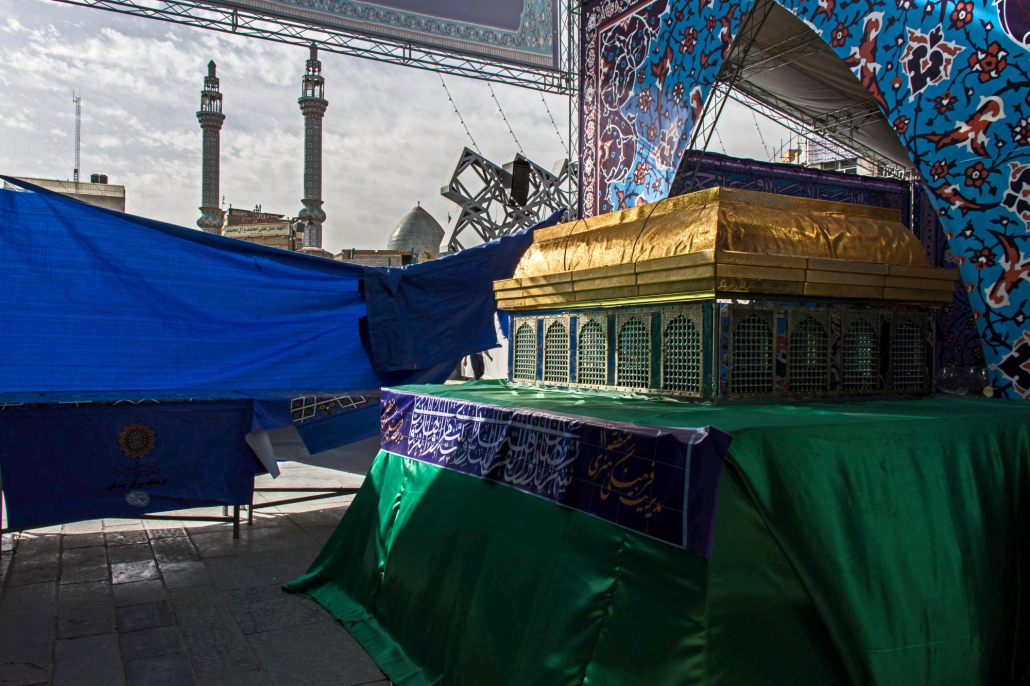
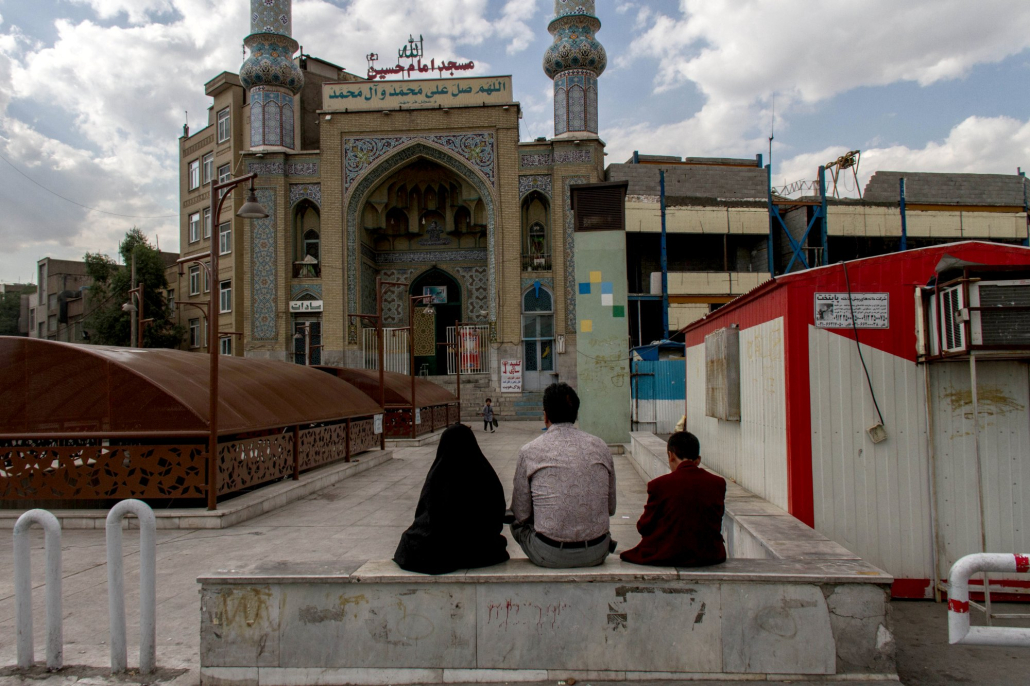
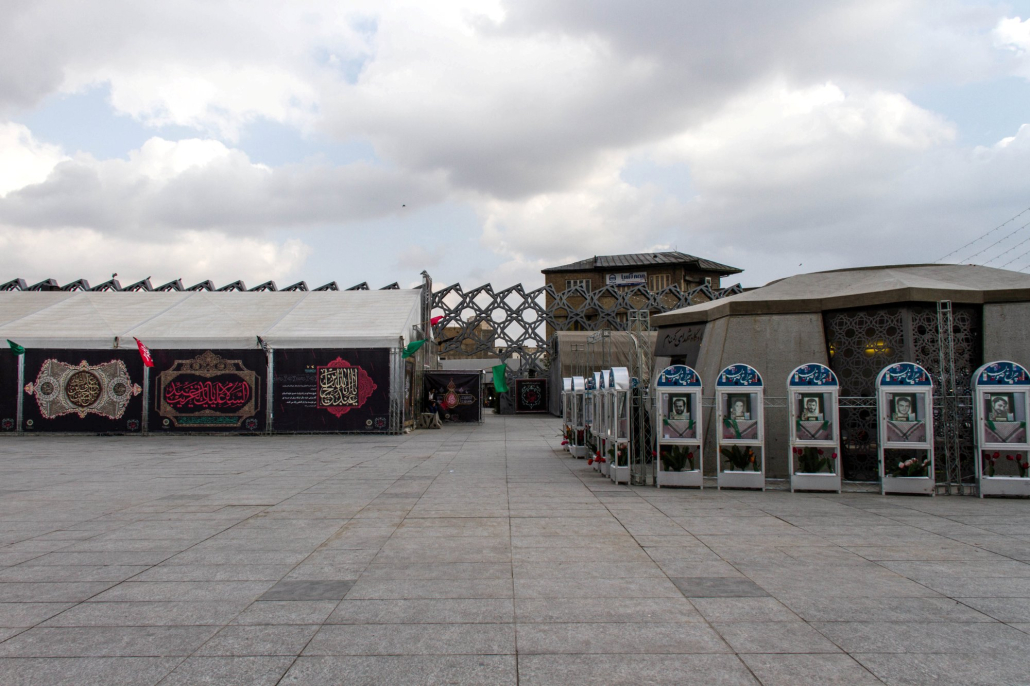
I photographed Imam Hossein Square, one of the central public spaces in Tehran. Originally known as Fowzieh Square during the Pahlavi era, it was later renamed Imam Hossein Square after the Islamic Revolution. In 2011, a major redevelopment of the square and the area extending toward Shohada Square began, transforming much of it into a pedestrian space intended for religious gatherings and ceremonies. This transformation introduced new architectural structures, religious symbols, and a different visual identity to a place that had long been part of the everyday life of the city.
The repeated use of religious symbols and the redesign of the square seemed to replace much of its previous identity with a new one. I became interested in how this transformation was made visible through the space itself: the new structures, ceremonial elements, and religious imagery that gradually redefined the landscape of the square and repeatedly reinforced its new identity during different religious occasions, often through forms that felt disconnected even from the function they were meant to serve. In my photographs, I focused on this altered environment and on the visual tension between the square’s former urban character and the new identity that had been imposed upon it.
In the end, the project became a way for me to question how the identity of a public space can be rewritten, and what remains when a place is separated from its previous function and given a new meaning. I was interested in the distance between what a space is designed to represent and what it becomes, and in how architecture and symbols can gradually change the way a place is seen, remembered, and understood.